-
Did Samuel Foulk’s Business Hurt Charles Hoffman?

In other articles, we’ve looked at how Wesley Culp followed Charles W. Hoffman south to Shepherdstown, Virginia, and how that decision likely influenced him to join the Stonewall Brigade. We’ve also seen that one of Hoffman’s motivations to leave may have been the debts he accrued to the Fahnestocks and David Middlecoff. We’ve also looked…
-
Samuel K. Foulk: The Carriage Maker who Helped Raise Young James A. Wade

Samuel K. Foulk (born March 22, 1827, in Perry County, Pennsylvania – died April 25, 1910, in Huntington Township, Adams County) was a craftsman-entrepreneur who lived most of his adult life in Gettysburg, Adams County. Best known as a carriage maker and blacksmith, Foulk later in life also farmed the land. He witnessed the upheaval…
-
The Bank of Gettysburg through the Years
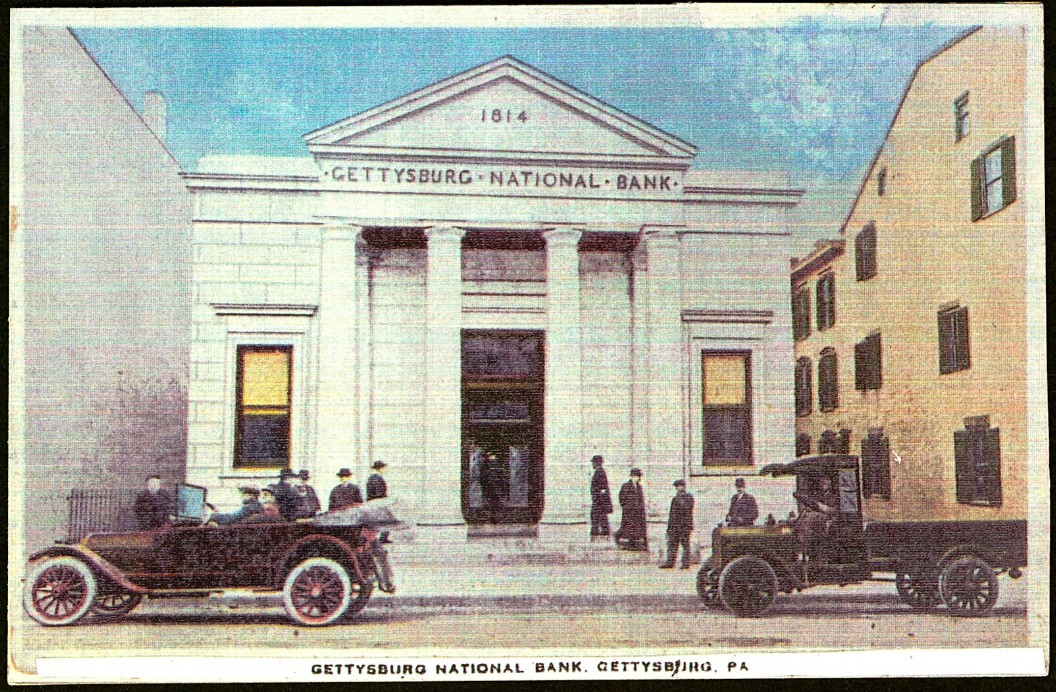
The names of people associated with the Bank of Gettysburg, Gettysburg’s first bank, include surnames even casual students of the town would recognize: James Gettys, Jacob Eyster, John McConaughy (father of David McConaughy), and various others. The bank’s original building (now part of the Gettysburg Hotel) was in the famous square (or diamond, as many…
-
The Troubled Life of John T. Weikert, Wounded Veteran
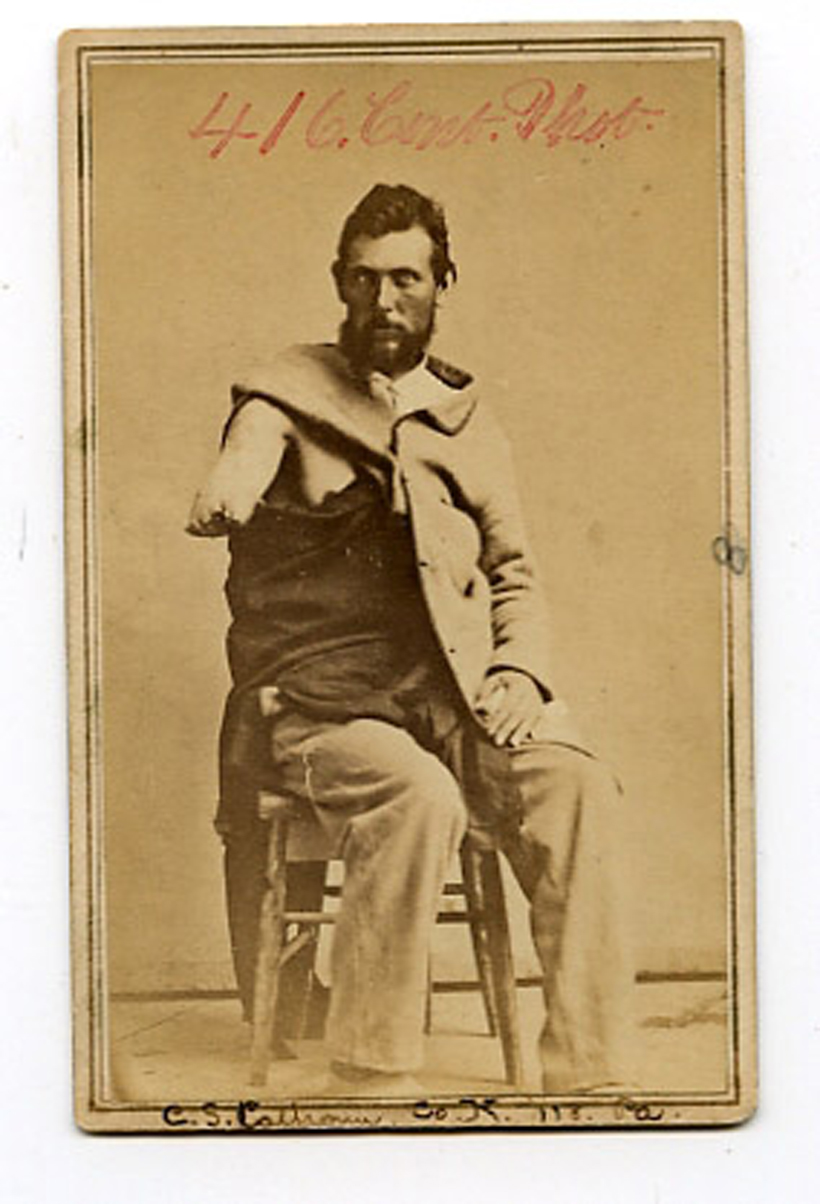
To understand John Thomas Weikert, it helps to know something about war trauma and family violence. One of the underreported aspects of the Civil War was the number of veterans who were scarred both physically and mentally. Harrowing images exist that show us disfigured men who had to struggle with disabilities for the rest of…
-
George W. Weikert: Farm, Family, and Missing Carpet

George W. Weikert was in prosperous circumstances in 1860. At least, that’s what the Census indicated. In one page in 1860, the Adams County Census taker managed to capture many of the families, wealth, and farms that would be devastated just three years later. One could almost overlay that page on the Elliott Burial Map…
-
Confederate Burials Near Basil Biggs’ Home

Burial records of Confederate dead frequently refer to someone interred near the home of Basil Biggs. Basil is probably the best known black resident of the era; he is celebrated for his role in the Underground Railroad as well as work in helping to create the National Cemetery and the Lincoln Cemetery. Basil would later…
-
Confederate Burials on the Codori Farm and Sherfy Farm

The Codori farm, lying north of the Sherfy farm and astride the Emmitsburg Road just south of Gettysburg, was one of the most significant landmarks in Pickett’s Charge. On July 3, 1863, thousands of Confederate soldiers crossed the Codori fields as they advanced toward the Union line at the Angle. The farmstead, with its stone…
-
Joseph Sherfy: Creator and Guardian of Gettysburg’s Peach Orchard

Today, the peach orchard of Joseph Sherfy has become The Peach Orchard even to the casual student of the town and battle. Books and books have been written on its importance, the violence that took place within it, and its overall strategic impact on the three-day battle. Most don’t know, though, that the peach orchard…
-
You Can Never Go Home: Nicholas J. Codori, Gettysburg’s Prodigal Son

It might have seemed like a storybook ending. Just before Christmas in 1916, after fifty years missing, when friends and family had given him up for dead, Nicholas J. Codori returned to Gettysburg. The town’s wayward native son, relatives of which were still living in town or nearby, had come home. But this is not…
-
Growing Up Palm: The Turbulent Upbringing and Life of Alfred S. Palm
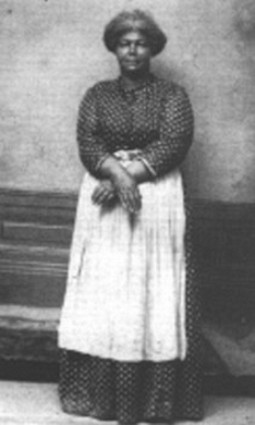
You may recall from the story of Mag Palm that, at her lowest point, she attempted to drown her son and commit suicide. That son was Alfred S. Palm, named after his father, and the local papers reported the incident. You may also recall that Mag suffered through a kidnapping attempt that bore some resemblance…