Tag: Gettysburg farms
-
Nathaniel Butt: War, a Bastardy Case, Kansas, and a Return to Gettysburg
On the morning of December 28, 1924, 87-year-old Nathaniel Butt was alone downstairs in a house on Baltimore Street in Gettysburg when he fell. Harry Pfeffer, who was upstairs, heard the noise and came down to find Butt lying on the floor, unable to get up. Butt himself could not explain exactly how he had…
-
New Residents and New Interactive Map Features

If you are of European descent and your family has been in the United States for several generations, chances are pretty good that you’re related to a resident of Adams County, Pennsylvania, from the 1860s. (If you’re of African American descent, you might have unexpected connections as well.) Sure, you might be ninth cousins, but…
-
Adam Butt’s Farm: A Silent Witness to Gettysburg’s Battle

If you spend enough time digging through Gettysburg burial records, hospital maps, and obscure after-action accounts, certain civilian names start appearing over and over again. One of those names is Adam Butt. At first glance, Adam Butt does not seem especially famous. He was not a politician. He was not a military officer. He did…
-
A House Divided: The Strange, Unresolved Story of Henry Wentz of Gettysburg
Wesley Culp is the most widely known Gettysburg-born Confederate soldier who fought at his hometown, but he is not the only one. Charles Hoffman’s three sons, friends of Wesley Culp, also returned in the fight. Frequently overlooked, though, is Henry Wentz. If you stand today along the Emmitsburg Road near the Peach Orchard, you are…
-
Lt. Colonel David Winn: A Doctor, A Letter Writer, and the Man with the Gold Teeth

One of the odd post-battle stories involves the return of David Winn’s body from Blocher’s Knoll. The officer’s body made it home . . . without his gold dental work, which had been retained by the Blocher family. The incident made headlines and inflamed feelings in the South. Often lost in the story is this:…
-
Blocher’s Knoll and Barlow’s Knoll

If you drive the northern edge of the Gettysburg battlefield today, you might pass Barlow’s Knoll without thinking much about it. It is not Little Round Top. It does not tower over the fields. It is simply a gentle rise in farmland near Rock Creek. Yet on July 1, 1863, this quiet swell of ground…
-
Discovering Plum Run: From Farmland to Battlefield
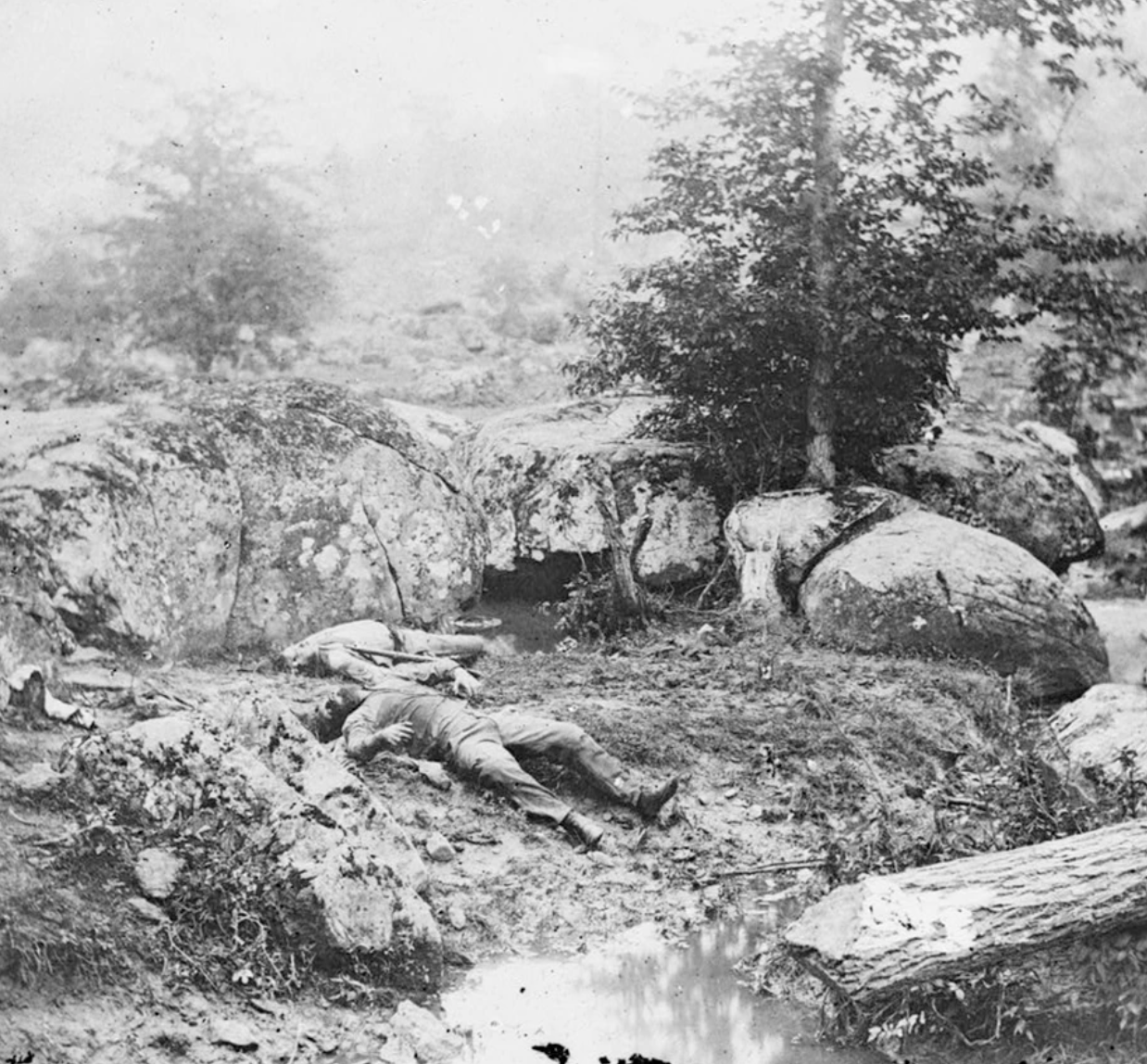
If you walk through the Plum Run valley today, it feels peaceful. Water moves quietly through grass and stone. Visitors pass between Devil’s Den and the Wheatfield, often without giving the stream a second thought. Yet this modest ribbon of water runs through some of the fiercest ground at Gettysburg. Before the battle, it watered…
-
The Forgotten: The Dead of the 8th Alabama Infantry at Gettysburg

With this article on the 8th Alabama Infantry and subsequent list of men, I’m starting a periodic feature on men whose combat deaths caused them to disappear and effectively be forgotten. The average age of a soldier killed at Gettysburg was roughly 22 to 23. He was typically not married and had no children. As…
-
Lydia Leister and Her Farm in War and Memory
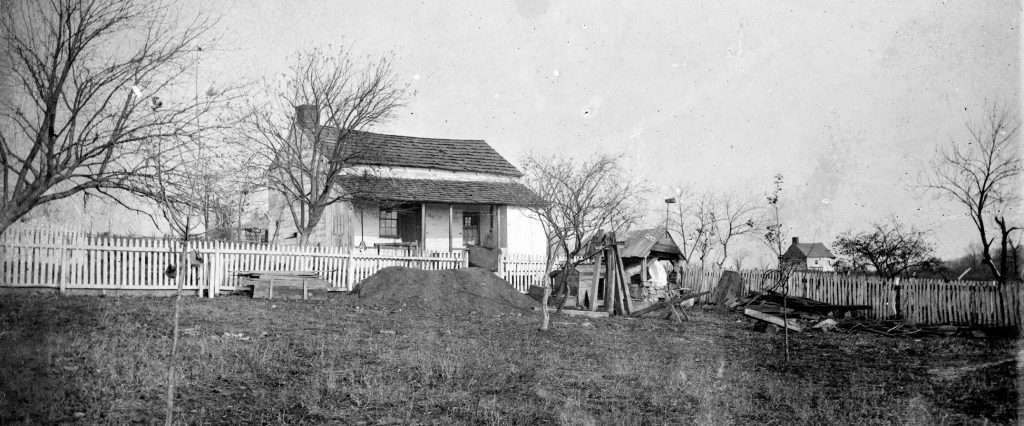
Lydia Leister (born Lydia Study) was born some time between 1808 and 1811 (depending on what source you read) in Carroll County, Maryland. She hailed from a large family: her father, Dr. John Martin Study, was a local physician, and one of her sisters, Catherine, later married Gettysburg farmer John Slyder. In 1830 Lydia wed…
-
The Forgotten Heroes: Horses of Gettysburg
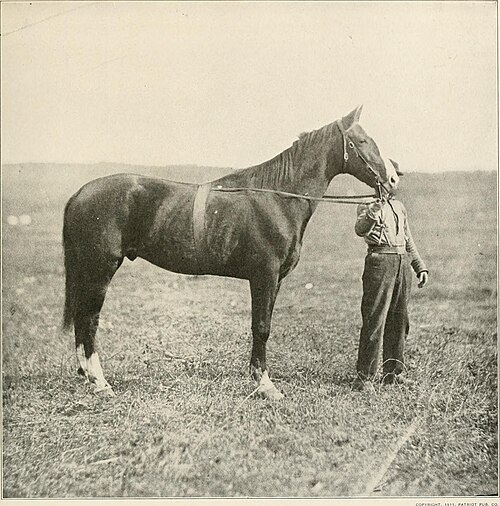
The horses of Gettysburg are their own tragedy. When the armies untangled from each other at Gettysburg on July 4, they left not only more than 6000 dead men, they also left between 3000 and 5000 dead animals. Horses and mules were integral to both armies, though their roles are generally only lightly touched upon…