-
The History of the Gettysburg Homestead Orphanage and its Ghost Stories

Wherever you go on vacation, you should take one of the city’s ghost tours. Nothing gives you a better idea of the local folklore, history, and values. When you go to Gettysburg, you should definitely take one of the ghost tours . . . a different each night you’re there, even. Gettysburg claims to be…
-
Michael W. Hofe: The Gettysburg Cop Who Memorialized William McLeod
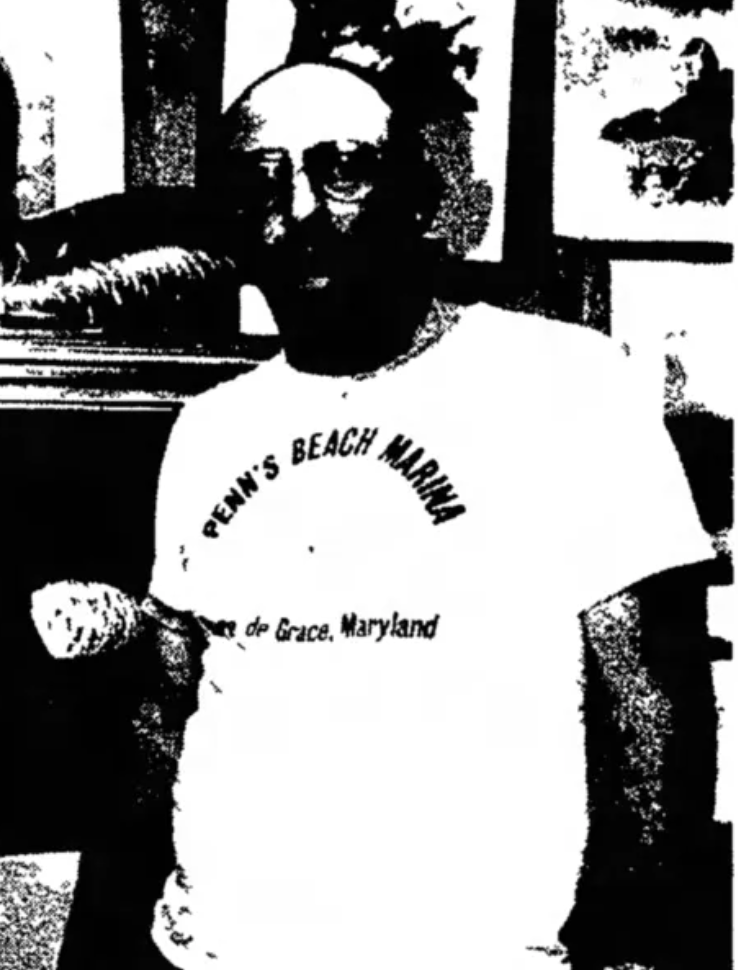
We normally stick to the Civil War-era history of Gettysburg but are making an exception in the case of Gettysburg police officer Michael W. Hofe (1947-1996). Michael Hofe is the other unrecognized hero of the William McLeod story. Thanks to the 1993 robbery of the Adams County Historical Society and Corporal Hofe’s dogged investigation, we…
-
Sarah Kime, the Jacob Kime Farm, and William McLeod

In the story of William McLeod, we saw the importance of black man Moses, who was critical in bringing McLeod home. Another key figure in the story has not been mentioned yet. In 1863, Sarah Kime was 11 years old, the oldest daughter and second oldest child of Jacob and Sarah Bucher Kime. She had…
-
The Mystery of Moses Farmer, Body Servant of William McLeod

If there is a hero in the story of Lt. Colonel William McLeod, it may well be his body servant, Moses, who made not one but two trips to Gettysburg: first with William in his travels with the army and then after the war with John Prescott and at the behest of Neil McLeod. Who…
-
Lt. Col. William McLeod and the 7-Year Wake

If you squint hard enough at the story of William McLeod and his brother-in-law John Prescott, you can almost see the Tarleton twins from Margaret Mitchell’s Gone With the Wind. Proud Georgia boys cut down in the prime of life in defense of their homeland. Or something like that. At least, that’s how the tales…
-
Dr. Charles P. Krauth: Lutheran Theologian and College President
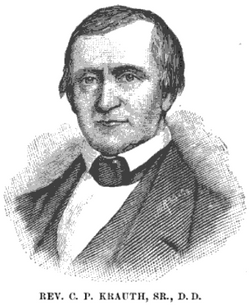
When Charles P. Krauth yielded the presidency of Pennsylvania College to Reverend Henry Louis Baugher in 1850, he had been at the helm for sixteen years. He was 53 years old, and after a lifetime of ecclesiastical service, you might assume that he was ready to retire. But Dr. Krauth did not retire—he stayed on…
-
Guilford Ricks: The Widower who Left His Children Orphaned
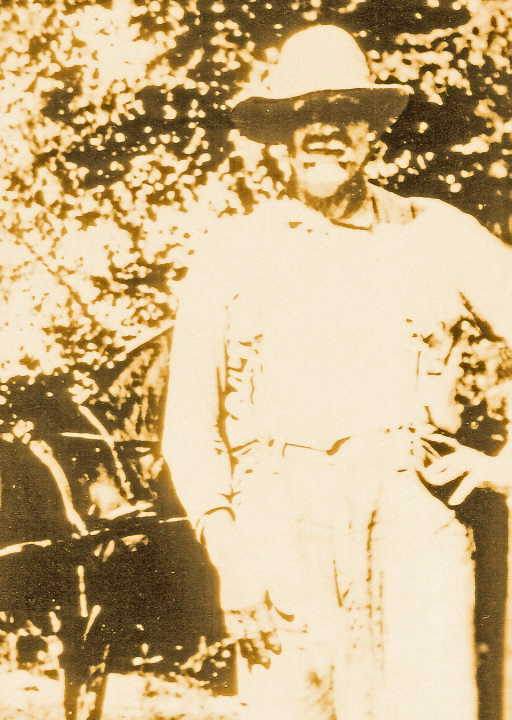
Private Guilford Ricks was not your average enlisted Confederate. Contrary to media depictions, the Civil War was mostly a young man’s war—the average age of Confederates killed at Gettysburg was about 23. The average casualty was of modest means, owned no slaves, was unmarried, and had no kids. He was generally about 5’6″ to 5’8″,…
-
Reverend Henry Louis Baugher: The Force Behind Christ’s Church (Lutheran)

That teacher that won’t cancel classes during a blizzard or a major national event, that ensures you always get the homework assignment . . . that was Henry Louis Baugher. If Christ’s Church (Lutheran) was the physical object that brought Gettysburg College, the Lutheran Theological Seminary, and religious worship together, the force behind them was…
-
The Role of Christ’s Church Before, During, and After the Battle of Gettysburg

When considering its history with the Battle of Gettysburg, Christ’s Church (now known as Christ Evangelical Lutheran Church) is best remembered for the killing of clergyman Horatio Stockton Howell (more on that below) and the sheltering of Ole Liz Butler, a black washerwoman who escaped Confederate cavalry and hid until the battle concluded. The Church…
-
Life and Death on the Farm of John and Elizabeth Wible

The lives of Reverend John Wible and his wife, Elizabeth Wible (Stallsmith), appear to have passed without generating a lot of notice. The reverend worked at the Christ’s Lutheran Church (which played a prominent role in the battle). Elizabeth was from a long-running family in the area. They had no children. They turn up in…