-
Civil War Stories: Juliann Benner’s Courage on the Homefront

If Henry Benner was a war hero and civic leader, his sister Juliann Benner was his equal on the homefront and in a couple of different communities. She endured the death of her other brother, the capture of Henry, the severe wounding of her husband, and the deaths of several children, all while supporting her…
-
The Remarkable Life of Henry Benner: Gettysburg Hero
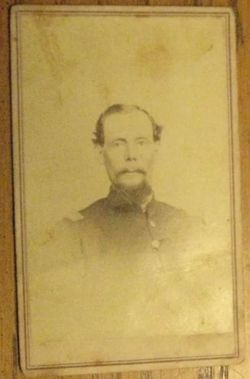
In his time, Henry Benner was one of the best-known Gettysburg residents—a burgess of the town (like a mayor), a war hero with a trove of wild experiences and stories, and a respected business- and family man. Today, the hill bearing his family name is barely visited, and few people know of Henry, his prominent…
-
Discovering the History of Benner’s Hill in Gettysburg
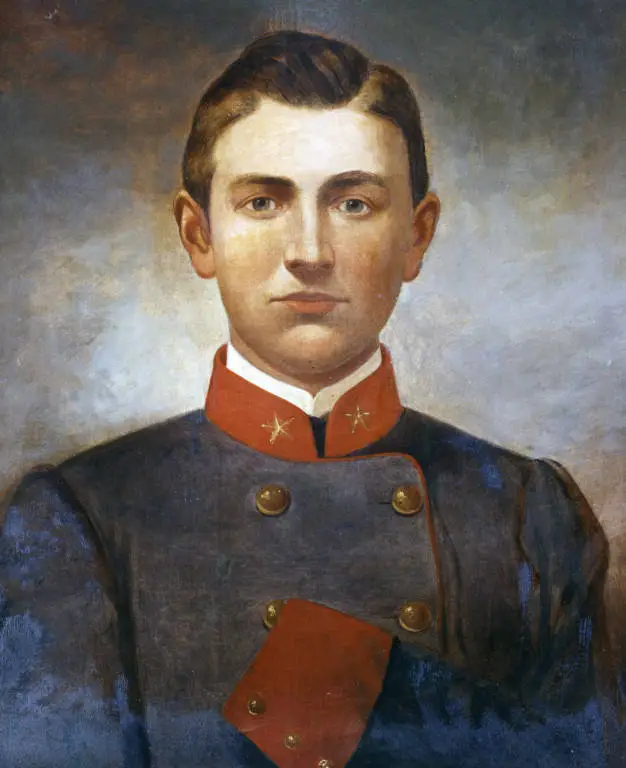
Today, Benner’s Hill does not have the same public resonance as Big Round Top and Little Round Top. Nor does it mix commerce and memory as Cemetery Hill does. And it does not feature in the auto tour like those three and the famous Culp’s Hill. Yet, Benner’s hill played an important role in the…
-
Confederate Burials on the George Rose Farm
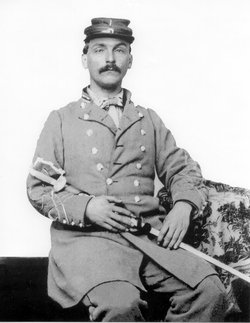
John and George Rose estimated that between five hundred and one thousand men were buried on their property. The number may well have been higher—the property saw twenty thousand men engage and create six thousand casualties.
-
Farmer, Tailor, Soldier, Poet: The Life of James A. Wade, Half-Brother of Jennie Wade

The life of James A. Wade started as a crime. It continued into the worst poverty—time in the Adams County Almshouse and a period of being bonded out. Then it pivoted to the Civil War, which was made worse by the death of his sister, Jennie Wade. And for all that, Jim, as he was…
-
The Struggles of John Slyder in Civil War Gettysburg

For John Slyder and his family, the years 1862 and 1863 opened with tragedy and ended in disaster. In 1862 alone, John and Catherine Slyder saw two young grandchildren, ages 2 and 4, die. Further, their daughter-in-law (wife of William), Rebecca Shriver, died two weeks after the birth of her last child. This, of course,…
-
The Big History of Big Round Top and Little Round Top

Prior to the Civil War, the twin hills south of Gettysburg were not known by the familiar names “Big Round Top” and “Little Round Top.” The taller, southern hill (today “Big Round Top”) was generally called “Round Top” or “Round Top Mountain” by locals, and sometimes simply “Round Hill,” reflecting its prominent rounded shape. The…
-
Till Mellinger: The Missing Woman in the Chambersburg Brothel Shooting

The story of Frank McLaughlin and Till Mellinger echoes other sexually charged crimes of the era, and like those crimes, it has a huge hole in the plot—who was the woman? And like Captain Wade’s former victim, we know almost nothing about the woman in the Kobler house case. In June 1859, Matilda “Till” Mellinger…
-
Frank McLaughlin: From Youthful Indiscretion to Battlefield Sacrifice

The first shooting of Frank McLaughlin could not have been more pointless. In 1859, various local newspapers in Chambersburg and Gettysburg broke a salacious story: a plasterer from Gettysburg had been shot in the neck near a house of “bad repute” in Chambersburg. The wound was grave, and writers believed the man would die, though…
-
The Legacy of Dr. John O’Neal in Gettysburg’s History

Dr. John O’Neal had many occasions to visit the John Rose family shortly after the battle—he treated their daughter for a nervous condition and he became one of the best sources about Confederate burials in the town and surrounding farms. History mostly remembers him for his work reuniting Southern families with the remains of their…