Tag: Gettysburg hills
-
Revealing Powers Hill: The Strategic Importance During Gettysburg
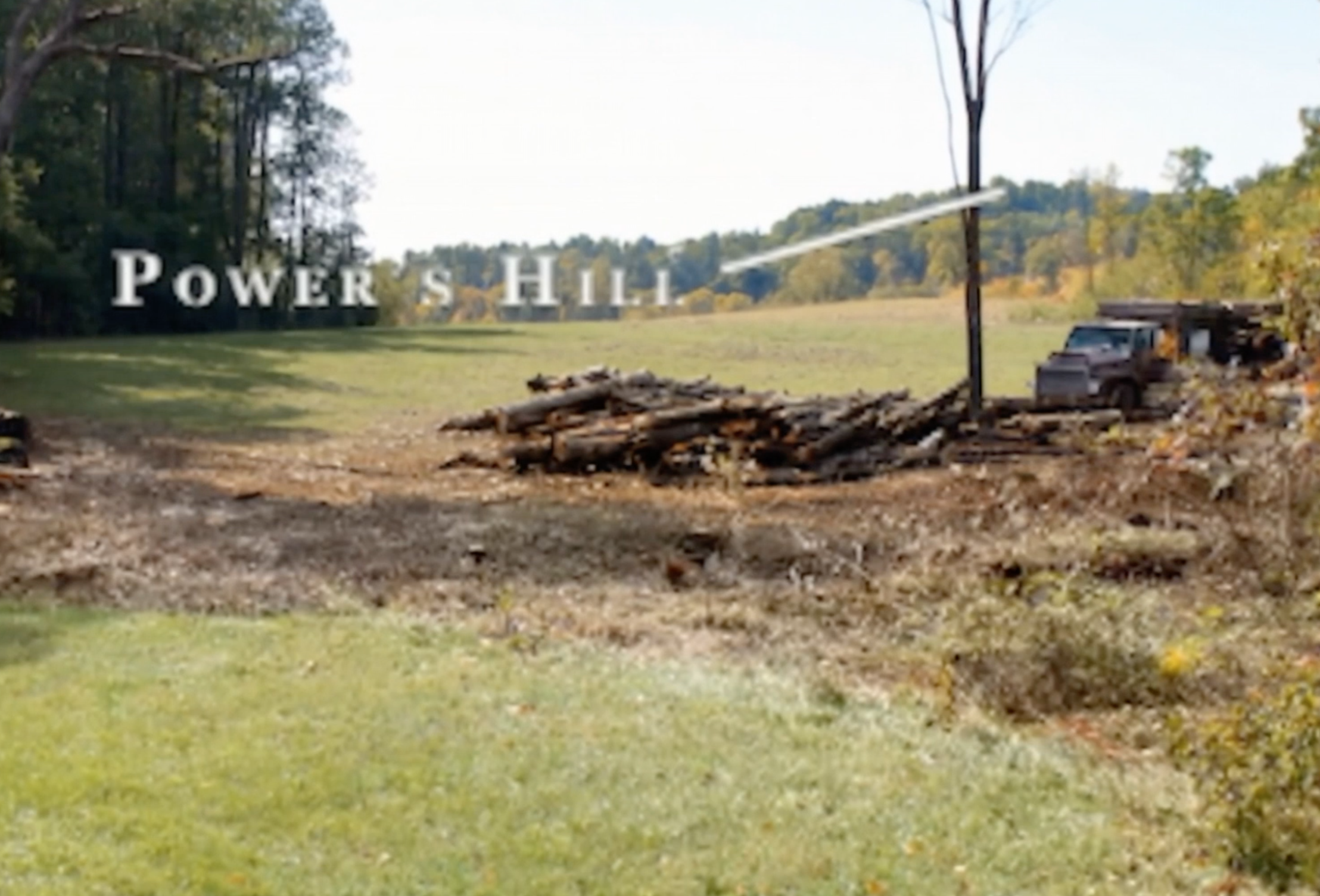
Powers Hill is a modest rise just southeast of town that acted like a “hinge” in the Union’s rear-area network during the Battle of Gettysburg—a place where roads, communications, artillery, ambulances, and command posts converged. Named for Solomon Powers, the mason who quarried stone from it, the hill in July 1863 was far more open than it…
-
Civil War Stories: Juliann Benner’s Courage on the Homefront

If Henry Benner was a war hero and civic leader, his sister Juliann Benner was his equal on the homefront and in a couple of different communities. She endured the death of her other brother, the capture of Henry, the severe wounding of her husband, and the deaths of several children, all while supporting her…
-
The Remarkable Life of Henry Benner: Gettysburg Hero
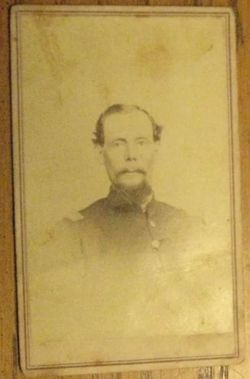
In his time, Henry Benner was one of the best-known Gettysburg residents—a burgess of the town (like a mayor), a war hero with a trove of wild experiences and stories, and a respected business- and family man. Today, the hill bearing his family name is barely visited, and few people know of Henry, his prominent…
-
Discovering the History of Benner’s Hill in Gettysburg
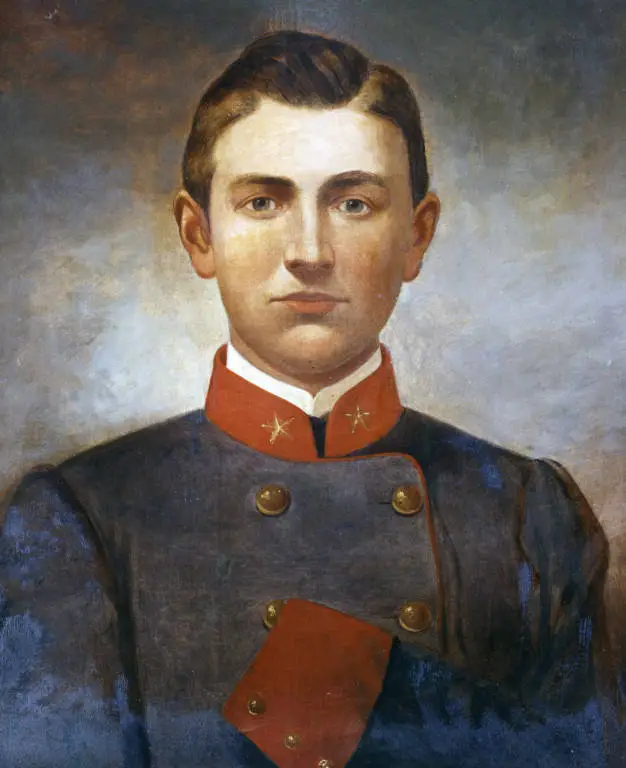
Today, Benner’s Hill does not have the same public resonance as Big Round Top and Little Round Top. Nor does it mix commerce and memory as Cemetery Hill does. And it does not feature in the auto tour like those three and the famous Culp’s Hill. Yet, Benner’s hill played an important role in the…
-
The Big History of Big Round Top and Little Round Top

Prior to the Civil War, the twin hills south of Gettysburg were not known by the familiar names “Big Round Top” and “Little Round Top.” The taller, southern hill (today “Big Round Top”) was generally called “Round Top” or “Round Top Mountain” by locals, and sometimes simply “Round Hill,” reflecting its prominent rounded shape. The…
-
Culp’s Hill: Battle and Family Heritage at Gettysburg
Culp’s Hill and the Culp family remain inextricably intertwined with the story of Gettysburg. The Culp family’s presence in Gettysburg dates to the town’s very founding in the late 18th century. In 1787 – just one year after Gettysburg was laid out – a German immigrant named Christopher “Christophel” Kolb (later Americanized to Culp) purchased a 239-acre farm…
-
The Life and Legacy of Peter Thorn in Gettysburg
As the legend goes, Peter Thorn was escorting his bride, Elizabeth Catharine Masser, on September 1, 1855, when all the bells in Gettysburg began to ring. Elizabeth asked Peter why all the ringing, and he explained that they were acknowledging the dedication of the Evergreen Cemetery. Of course, a short time later, Peter would be…
-
Elizabeth Thorn: The Pregnant Grave Digger of Gettysburg
In her waning years, Elizabeth Thorn wrote for the Gettysburg Compiler an account of her experiences at the Battle of Gettysburg. Her husband, Peter, had joined the 138th Pennsylvania, leaving her pregnant and with three children at home. Her only male family member was her aged father. The Thorns were the caretakers of the Evergreen…
-
Aunt Polly Culp: Gettysburg’s Beloved Figure of the Civil War Era
Elizabeth Culp, known to the locals as Aunt Polly Culp (no, we don’t know why), was intertwined in most of the major families of Gettysburg and familiar to almost everyone. Born to Heinrich Reiff and Barbara Eyster in 1780, she was the oldest of at least eight children. She grew up in Rockland Township, Berks…
-
The Price Twins: Brothers in the Civil War
The Price twins, James and John, were just nine years old in January 1852 when their father, a modestly well-off plantation owner named William C. Price, attended the Alabama Democratic Convention. He came from deeply patriotic stock. His grandfather Anjer Price was a sergeant in the 8th Virginia in the Revolution. His father, William Vines…