Author: Gordon Laws
-
Mary Thompson’s House: Headquarters, Scandal, and Ghosts on Seminary Ridge
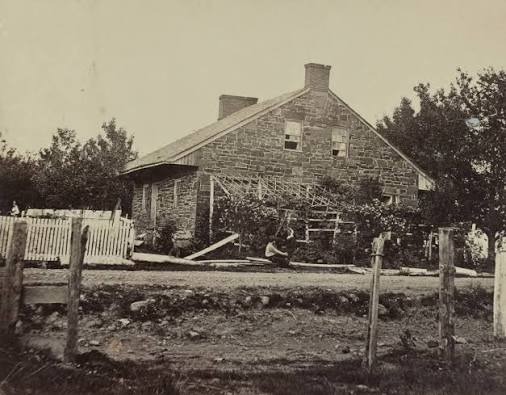
Today, the small stone house beside the Chambersburg Pike is known almost universally as Robert E. Lee’s Headquarters. That name makes Mary Thompson nearly disappear. Yet Mary was the person who actually lived there. She was there when artillery thundered around the house on July 1, 1863. She watched Confederate soldiers take possession of the…
-
Nathaniel Butt: War, a Bastardy Case, Kansas, and a Return to Gettysburg
On the morning of December 28, 1924, 87-year-old Nathaniel Butt was alone downstairs in a house on Baltimore Street in Gettysburg when he fell. Harry Pfeffer, who was upstairs, heard the noise and came down to find Butt lying on the floor, unable to get up. Butt himself could not explain exactly how he had…
-
New Residents and New Interactive Map Features

If you are of European descent and your family has been in the United States for several generations, chances are pretty good that you’re related to a resident of Adams County, Pennsylvania, from the 1860s. (If you’re of African American descent, you might have unexpected connections as well.) Sure, you might be ninth cousins, but…
-
Adam Butt’s Farm: A Silent Witness to Gettysburg’s Battle

If you spend enough time digging through Gettysburg burial records, hospital maps, and obscure after-action accounts, certain civilian names start appearing over and over again. One of those names is Adam Butt. At first glance, Adam Butt does not seem especially famous. He was not a politician. He was not a military officer. He did…
-
Dr. Charles Horner: Gettysburg’s Quiet Surgeon and the Question of John Burns

Wander around Gettysburg and ask folks about Dr. Charles Horner. Very few, if any, will have heard of him. If you spend enough time in Gettysburg, you start to notice a pattern. The soldiers have monuments. The generals have statues. Even civilians like John Burns get mythologized into something almost larger than life.
-
A House Divided: The Strange, Unresolved Story of Henry Wentz of Gettysburg
Wesley Culp is the most widely known Gettysburg-born Confederate soldier who fought at his hometown, but he is not the only one. Charles Hoffman’s three sons, friends of Wesley Culp, also returned in the fight. Frequently overlooked, though, is Henry Wentz. If you stand today along the Emmitsburg Road near the Peach Orchard, you are…
-
Revealing Powers Hill: The Strategic Importance During Gettysburg
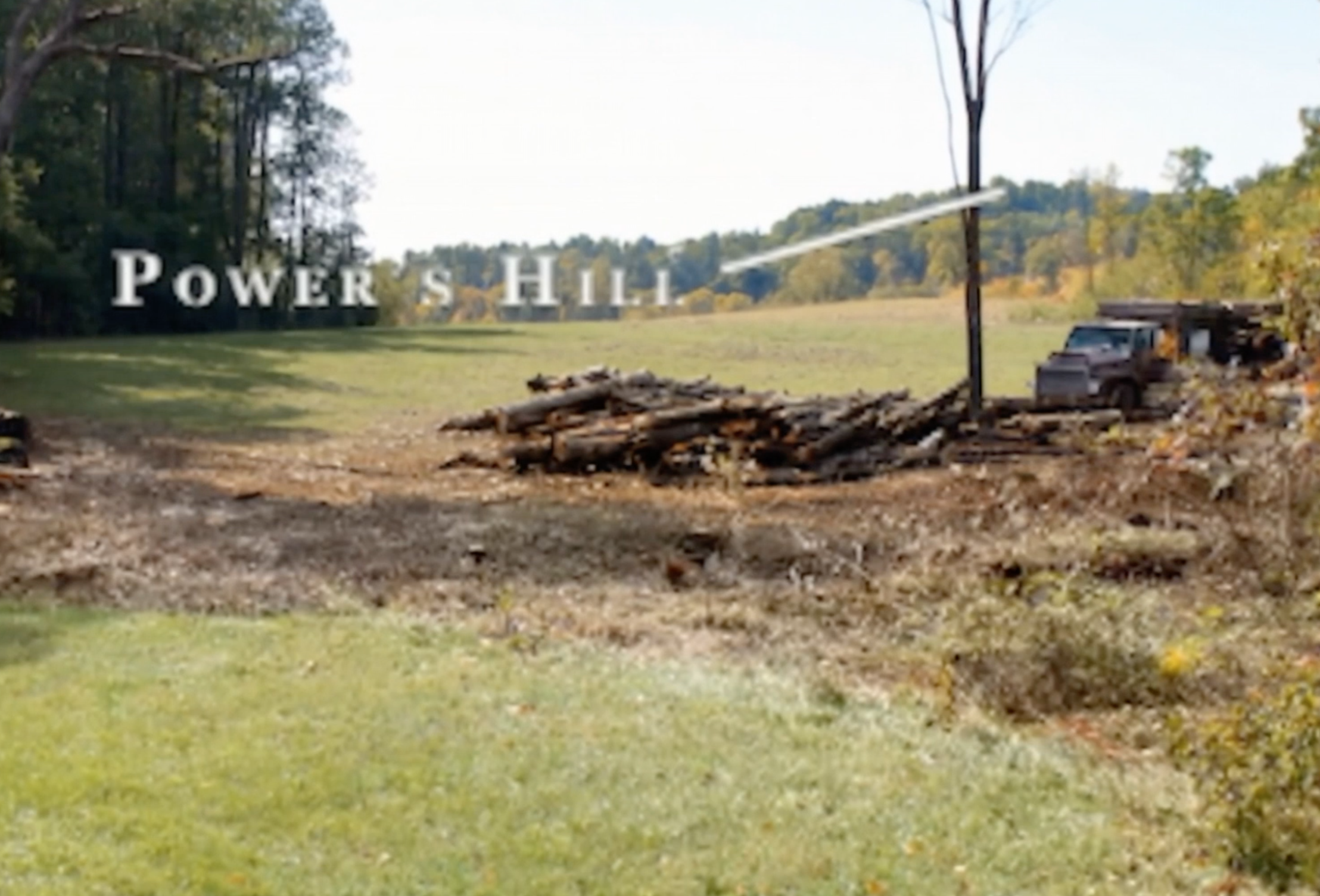
Powers Hill is a modest rise just southeast of town that acted like a “hinge” in the Union’s rear-area network during the Battle of Gettysburg—a place where roads, communications, artillery, ambulances, and command posts converged. Named for Solomon Powers, the mason who quarried stone from it, the hill in July 1863 was far more open than it…
-
The Long Journey Home of John Burns

You won’t get through Gettysburg without hearing the legend of John Burns. And legend it surely is: Burns became nationally famous, wrote a pamphlet about his experience, traveled some to support it, and told fabulous tales of being wounded anywhere between three and seven times. His grave includes an American flag—one of two civilian plots…
-
Alexander Schimmelfennig, the Garlachs, and a Backyard Refuge

The story of General Alexander Schimmelfennig is one of the oddities of the Battle of Gettysburg. On the evening of July 1, 1863, after the first day’s fighting rolled up the Union line north of town, the Union general slipped into the tight maze of alleys and back lots along Baltimore Street—now behind Confederate lines—and…
-
Lt. Colonel David Winn: A Doctor, A Letter Writer, and the Man with the Gold Teeth

One of the odd post-battle stories involves the return of David Winn’s body from Blocher’s Knoll. The officer’s body made it home . . . without his gold dental work, which had been retained by the Blocher family. The incident made headlines and inflamed feelings in the South. Often lost in the story is this:…