Tag: Gettysburg businesses
-
Dr. Charles Horner: Gettysburg’s Quiet Surgeon and the Question of John Burns

Wander around Gettysburg and ask folks about Dr. Charles Horner. Very few, if any, will have heard of him. If you spend enough time in Gettysburg, you start to notice a pattern. The soldiers have monuments. The generals have statues. Even civilians like John Burns get mythologized into something almost larger than life.
-
The Dobbin House, the Underground Railroad, and a History of Hauntings

I was once having dinner with a work colleague at the Dobbin House. It was a quiet late winter day, and we had been doing work on a phone app. The fine dining was slower than usual, and several tables sat empty around us. A table just across from us had two married couples—clearly tourists,…
-
Tillie Pierce: Her Battlefield Account, Family, and Haunted House
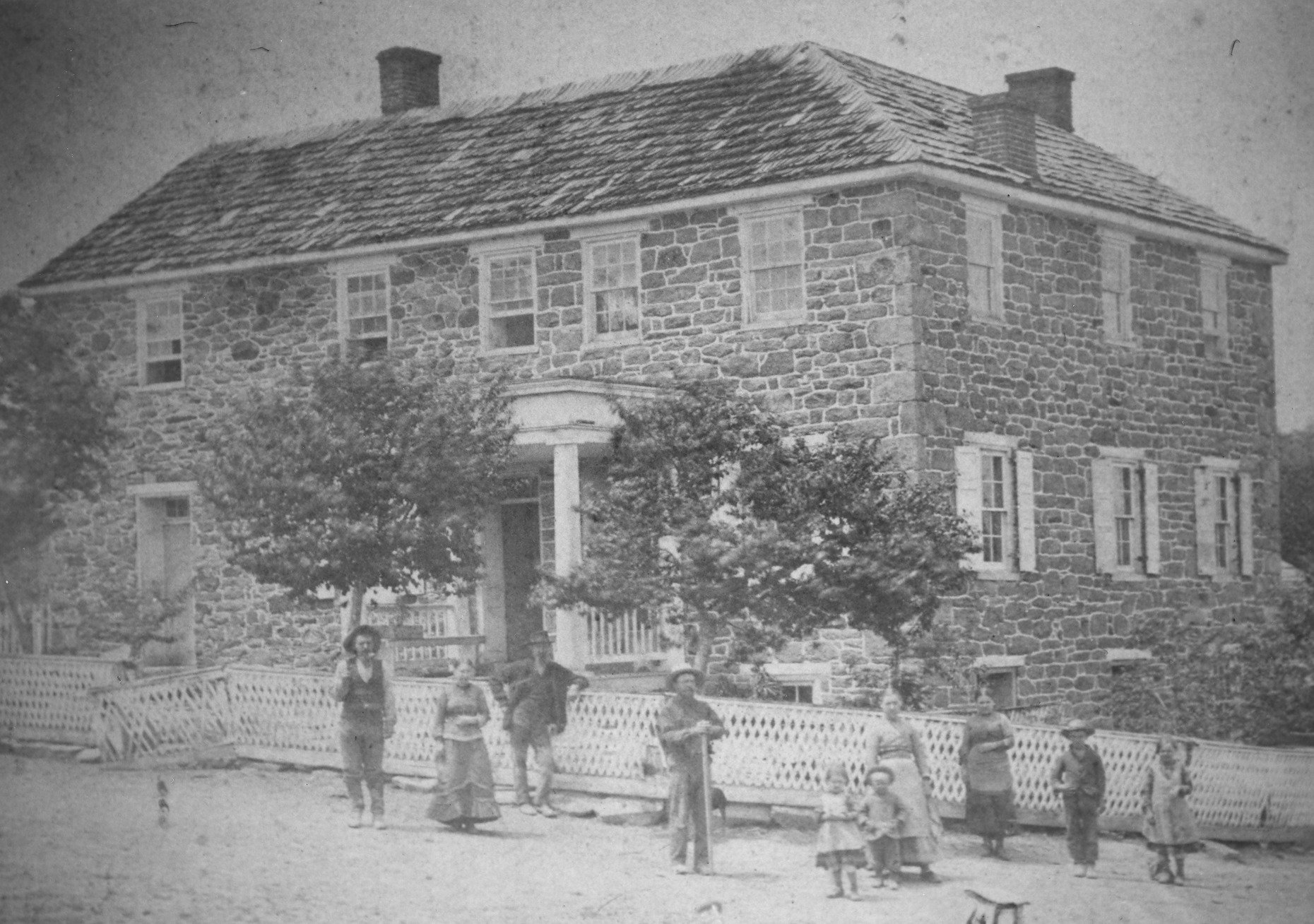
Today, the story of Tillie Pierce and her family has been subsumed by the story of the battle, Tillie’s recollections of it, and the landmark house that is now a bed and breakfast. Like the Jennie Wade House, the Hotel Gettysburg, the Farnsworth House Inn, and the Rupp House and Tannery, the site has also…
-
The Rupp House and Tannery: A House Divided . . . and Haunted
The Rupp House is close to the Jennie Wade House and the Farnsworth House Inn, and it’s just south of the Hotel Gettysburg. It stands at 451 Baltimore Street in Gettysburg, PA, and today houses the Children of Gettysburg 1863® museum (a Gettysburg Foundation interactive history center). In the 1860s this Gothic-Revival home belonged to…
-
The Hotel Gettysburg: Its History and Hauntings
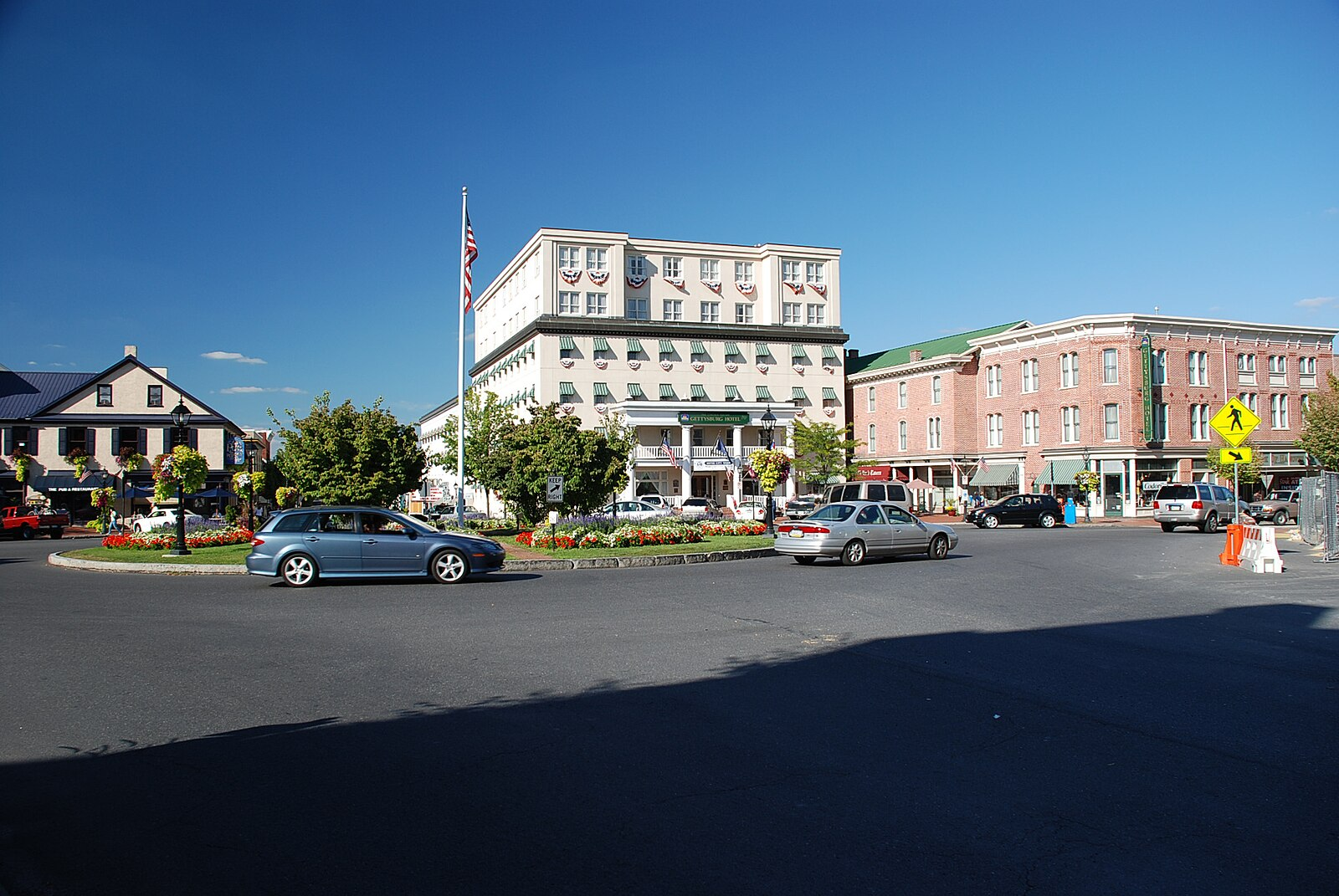
The Hotel Gettysburg stands at 1 Lincoln Square. Gettysburg’s Lincoln Square has been anchored for over two centuries by the inn that has worn many hats – from a humble 18th-century tavern to a Civil War hospital, from a Gilded Age grand hotel to a modern haunt for ghost-story seekers. The Gettysburg Hotel (once known…
-
Charles Hoffman Found Out: Don’t Mess with David Middlecoff
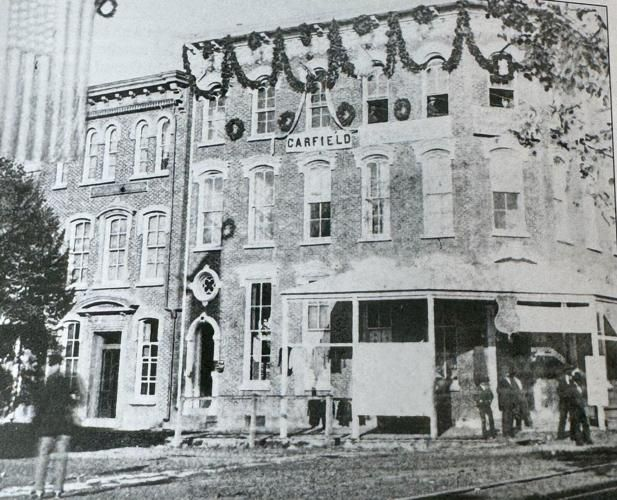
When Charles W. Hoffman wound up in legal and debt disputes with the Fahnestocks and David Middlecoff, he was battling some of the most powerful men in the region. David Middlecoff, in particular, was a nationally recognized politician, businessman, army and militia leader, and lender. Once the relationship turned sour, Charles Hoffman wasn’t going to…
-
Did Samuel Foulk’s Business Hurt Charles Hoffman?

In other articles, we’ve looked at how Wesley Culp followed Charles W. Hoffman south to Shepherdstown, Virginia, and how that decision likely influenced him to join the Stonewall Brigade. We’ve also seen that one of Hoffman’s motivations to leave may have been the debts he accrued to the Fahnestocks and David Middlecoff. We’ve also looked…
-
The Bank of Gettysburg through the Years
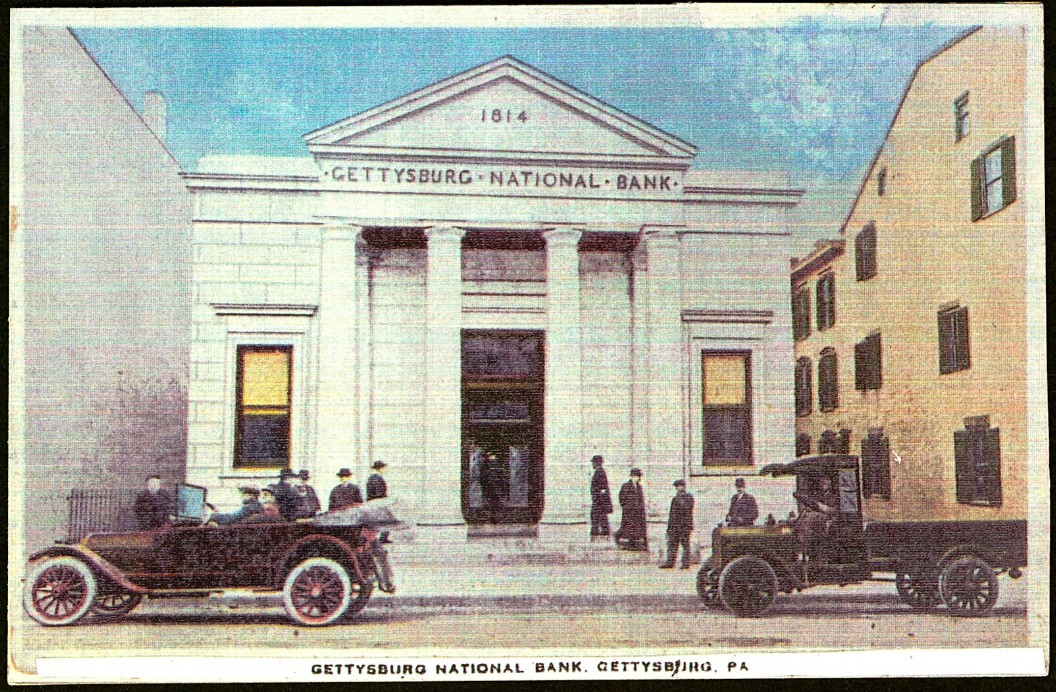
The names of people associated with the Bank of Gettysburg, Gettysburg’s first bank, include surnames even casual students of the town would recognize: James Gettys, Jacob Eyster, John McConaughy (father of David McConaughy), and various others. The bank’s original building (now part of the Gettysburg Hotel) was in the famous square (or diamond, as many…
-
How Charles Hoffman and the Fahnestocks Connect to the Jennie Wade/Wesley Culp Tragedies
One of the best-known human interest stories of Gettysburg is the tragic friendship triangle of Jennie Wade, Wesley Culp, and Jack Skelly. In the span of two weeks, the lifelong friends would all die—Jack for the Union while fighting against his friend, Wes as a Confederate fighting in his hometown, and Jennie baking bread between…
-
James McAllister’s Mill and the Underground Railroad
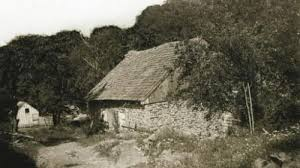
What is now known as McAllister’s Mill was originally developed in 1790 by James Gettys and an unidentified partner. James McAllister would not purchase the mill that became a symbol of freedom until 1822. From his early days, James and his family were ardent abolitionists and deeply involved in the anti-slavery cause, which would later…