-
John Edward Plank: His Farm and Family
In and around Gettysburg, John Edward Plank was in the news nearly his entire life, and his farm became a critical junction before, during, and after the battle. Because of that, John and his farm remain in the news today. Descended from German immigrants, John Plank married Sarah Ann Rhinehart in Gettysburg’s Saint James Lutheran…
-
James Godman, Black Teamster, Alleged Confederate Casualty
One of the curiosities of the records of Confederate dead is the case of James Godman, also listed at various times as Chadman or Codman. He turns up in the Camp Letterman surgical history, one of the best and primary sources on Confederate deaths and burials at Gettysburg. In that record, he is J.H. Chadman,…
-
“Blind Davey” and the Mad Dog—The Story of David Weikert
The youngest child of James and Sarah Weikert, David was fourteen years old at the time of the battle. Like other residents, he watched as the battlefield became a mix of memorial, playground, and marketplace. Within days of the battle, residents and citizens from nearby communities poured into the community, collecting souvenirs, finding wounded and…
-
Jacob Weikert, the Man Behind the Huge Field Hospital

In studies of Gettysburg, Jacob Weikert’s name surfaces almost exclusively in connection to his farm. Situated on the Taneytown Road just east of the Round Tops, the 102-acre farm became the campsite and field hospital of both the Union Thirds Corps and Fifth Corps. Accordingly, the farm saw anywhere between seven hundred and one thousand…
-
Henrietta “Hettie” Weikert Saw It All
Henrietta Weikert seems to have left home as soon as she could. At age 18, she married George Washington Shriver who, like her, came from a farming family in Adams County. In the case of Hettie (as she was called), she was the sixth of thirteen children living on a farm east of Little Round…
-
From Ten Pins to Andersonville: The Story of George Washington Shriver
The Shriver House in Gettysburg is one of the town’s much-visited attractions, known for telling the stories of the Shrivers and their home during the Battle of Gettysburg. The house has been investigated to verify blood stains in its attic, which was a shelter for Confederate sharpshooters during the battle and the site of at…
-
Benjamin Franklin Carter, Henry Johnson, and the Stories We Tell
Benjamin Franklin Carter and Henry Johnson. It’s a story that seems to illustrate the American divide while harmonizing the country. A Union officer is killed in a battle; a Confederate officer so admires his opponent’s bravery that he buries the officer in his own coat. Later, that same Confederate officer is mortally wounded at the…
-
James McAllister’s Mill and the Underground Railroad
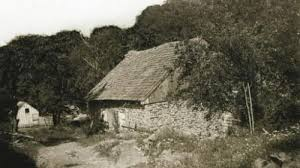
What is now known as McAllister’s Mill was originally developed in 1790 by James Gettys and an unidentified partner. James McAllister would not purchase the mill that became a symbol of freedom until 1822. From his early days, James and his family were ardent abolitionists and deeply involved in the anti-slavery cause, which would later…
-
Jim Green and the Killing of Samuel Mars
Jim Green is believed to be the brother or uncle of Catherine Payne, and he came to the Gettysburg area when Mary Maddox first manumitted the enslaved people she had inherited from her husband. Jim was not captured or caught up in the legal drama following Catherine’s kidnapping, but from then on, he carried a…
-
Samuel Foulk and the Bonding Out of Young James Wade
Whether he was trying to help the Wades or trying to acquire extra labor, Samuel Foulk took in the son of Captain James Wade, also named James, and spared him further stays at the almshouse. The tradition of the almshouse comes from the United Kingdom. You may recall a reference A Christmas Carol when Scrooge…